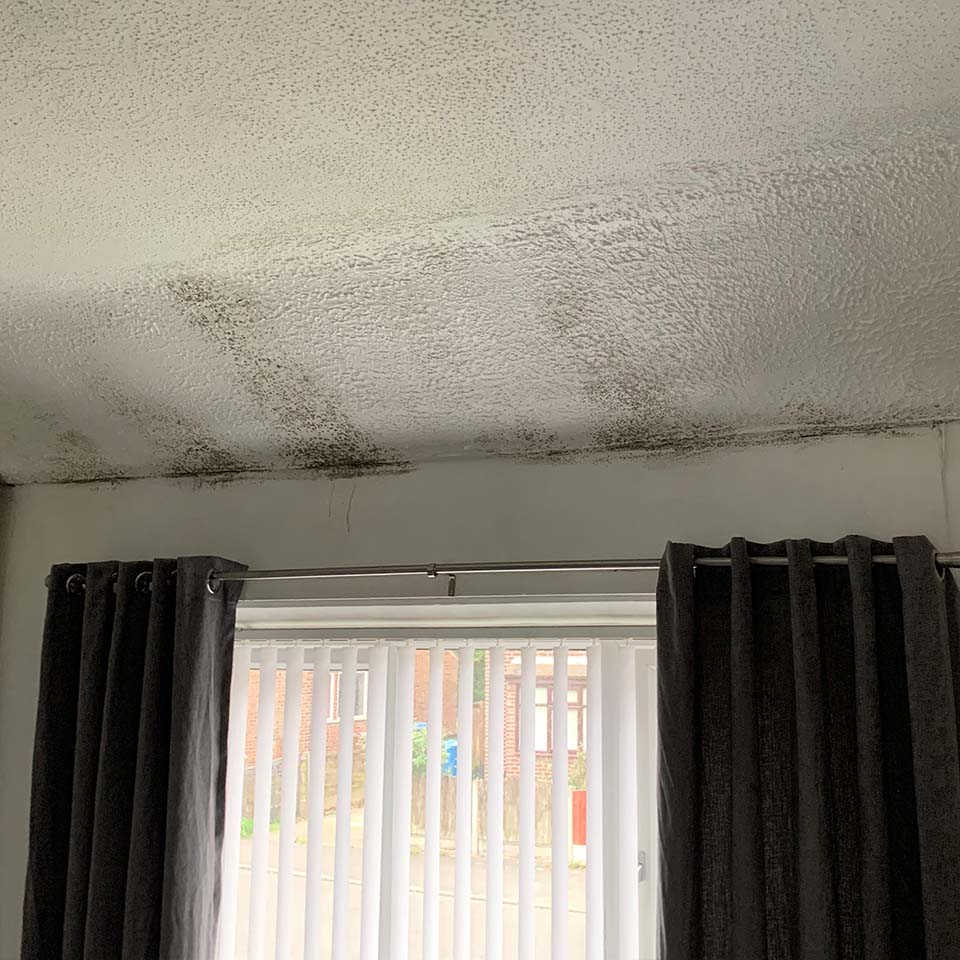
Mould causes numerous health problems in humans, and in animals. Damp rooms trigger nasal congestion, sneezing and coughing. Ever wondered whats causing that wheezing you suffer from, its most likely condensation and/or mould. Inhaling or touching mould spores often causes allergic reactions.
Respiratory infections such asthma and allergic conditions are all made worse by mouldy damp homes. People who susceptible to these symptoms along with other serious health conditions such as weakened immune systems should all avoid condensation and mould. Some people are more sensitive than others.
Who is most at risk?
- Babies and children
- Elderly people
- People with existing skin problems, such as eczema
- People with respiratory problems, such as allergies and asthma
- People with a weakened immune system, such as those having chemotherapy
- Pets such as dogs, cats and hamsters
If you or your loved ones fit into any of the categories above we recommend avoiding damp and mould.
Is my pet at risk from mould?
Pets will suffer the same effects as humans. If you have even the smallest patch of mould in your home it could be affecting your pets health. In most cases mould is visible, however it can also be present behind walls or under floors. Mould spores enter your pets bodies through their noses. They frequently cause allergic reactions manifesting as scratching, a runny nose, a persistant cough and/or sneezing.
Some dog breeds, such as brachycephalic breeds with flat faces and short noses, may develop mould allergies faster than others. In extreme cases toxic black mould can cause serious illnesses and even death for pets and people.